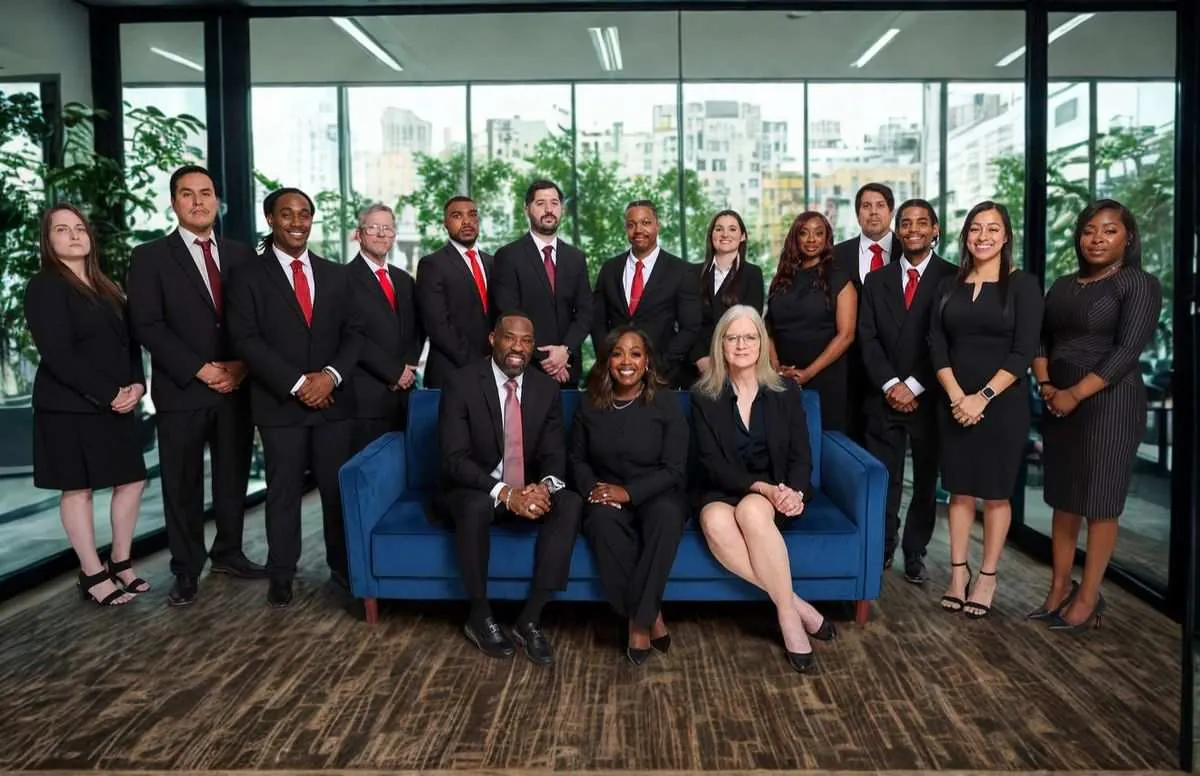
Defending cases in Tarrant County
Tarrant County is anchored at Fort Worth, where the county courthouse, criminal district attorney's office, and jail are all located. Tarrant County has a reputation for tougher pretrial dispositions than Collin or Dallas counties; pretrial intervention is available but tightly screened. Our practice covers the full criminal docket here — misdemeanors and felonies, pretrial through trial.
Cities within Tarrant County we serve
- Fort Worth
- Arlington
- Grand Prairie (western)
- Mansfield
- North Richland Hills
- Hurst
- Euless
- Bedford
- Grapevine
- Southlake
- Keller
Charge types in Tarrant County
The criminal docket at Fort Worth runs the full Texas Penal Code and Health & Safety Code spectrum:
- DWI and intoxication offenses — Penal Code Chapter 49, including intoxication assault (§ 49.07) and intoxication manslaughter (§ 49.08)
- Drug offenses — possession, possession with intent to deliver, manufacture, and delivery across all Penalty Groups under H&S Code Chapter 481
- Assault and family violence — Penal Code Chapter 22, including aggravated assault (§ 22.02) and the family-violence enhancement on a second offense
- Property crimes — theft (Chapter 31), criminal mischief (§ 28.03), burglary (§ 30.02), robbery (§ 29.02)
- Sex offenses — Penal Code Chapter 21 (indecency, public lewdness) and Chapter 22 (sexual assault, aggravated sexual assault)
- Weapons charges — unlawful carrying, prohibited-places carry, felon in possession (Penal Code Chapter 46)
- Probation violations and revocations — CCP Chapter 42A motions to revoke and motions to adjudicate
How the Tarrant County courthouse operates
Tarrant County uses a docket-court system: each judge handles a mix of pretrial, plea, and trial settings on rotating days. Bond is set at magistrate appearance, usually within 24-48 hours of book-in. The DA's office runs a screening intake — every case gets reviewed for charge accuracy and evidence sufficiency before the first court date. We use the screening window to push back on overcharged offenses, request additional discovery, and position for early dismissal or reduction when the evidence is thin.
Need Tarrant County criminal defense?
Free consultation. Direct attorney access. We pick up after-hours for jail-release calls.
Call (972) 370-5060Tarrant County FAQs
How is bond set in Tarrant County?
A magistrate sets bond within 24-48 hours of arrest based on offense severity, criminal history, ties to the community, and risk of flight. Standard bond schedules exist for most misdemeanors. We can attend the bond hearing or file a bond-reduction motion immediately after.
Will I have to go to Fort Worth for every court setting?
Most felony and Class A/B misdemeanor settings happen at the Tim Curry Criminal Justice Center. Some pretrial conferences can be handled by counsel without your appearance; the law requires your presence at arraignment, plea, and trial.
Does the Tarrant County DA offer pretrial diversion?
Yes for qualifying first-offense cases. Programs vary by county and charge type; we screen eligibility and negotiate the conditions package upfront. Successful completion typically results in dismissal and eligibility for expunction.
What about traffic tickets and Class C misdemeanors in Tarrant County?
Class C cases stay at the municipal court for the arresting city or the JP court for unincorporated areas. We handle Class C cases when they intersect with a Class B+ case or carry collateral consequences.
Can I get my Tarrant County arrest record cleared?
Depending on outcome — yes. Dismissals, acquittals, and successful completion of certain deferred adjudication terms qualify for expunction or nondisclosure. See our expunction page.

